
Summary
Love compatibility scores are everywhere online, from quirky name-based calculators to detailed astrology charts, but most people misread what these numbers actually mean. If you’ve ever typed in two names, gotten a percentage, and either celebrated or panicked without understanding the context, this guide is for you. Learning to Read Your Love Compatibility Score Correctly means understanding what factors go into the calculation, recognizing the difference between fun entertainment tools and serious relationship assessments, and using the results as a conversation starter rather than a verdict. This article breaks down the science (and pseudoscience) behind compatibility percentages, explains numerology, zodiac, and personality-based scoring systems, and shows you how to interpret your results in a healthy, balanced way that strengthens rather than stresses your relationship.
Table of Contents
- What Is a Love Compatibility Score?
- How to Read Your Love Compatibility Score Correctly: The Basics
- Different Types of Compatibility Scoring Systems
- Common Mistakes People Make When Reading Their Score
- How to Read Your Love Compatibility Score Correctly Across Different Tools
- What a High or Low Score Actually Tells You
- Using Compatibility Scores as a Conversation Tool, Not a Verdict
- When to Take Compatibility Scores Seriously (and When Not To)
- Conclusion
- FAQs
What Is a Love Compatibility Score?
A love compatibility score is a numerical representation, usually expressed as a percentage, that attempts to measure how well two individuals might align in a romantic relationship. These scores are generated through various methods, including numerology (calculations based on the letters in your names), astrology (based on zodiac signs, birth charts, and planetary alignments), and modern personality-based assessments that draw from psychological frameworks like the Myers-Briggs Type Indicator (MBTI) or the Big Five personality traits.
The popularity of these tools has exploded alongside dating apps, social media quizzes, and relationship content creators. Millions of people search for terms like “love calculator,” “compatibility test,” and “zodiac match” every month, curious to see what an algorithm says about their romantic prospects.
How to Read Your Love Compatibility Score Correctly: The Basics
The first step to reading your score correctly is understanding that no compatibility percentage is a scientific prediction of relationship success. Instead, think of it as a snapshot based on a specific set of inputs and a specific algorithm.
Here’s the foundational mindset you need:
A compatibility score reflects the methodology of the tool, not an objective truth about your relationship. A numerology-based calculator that uses your names will give a completely different result than an astrology-based calculator that uses your birth dates and times. Neither is “more correct” than the other because they’re measuring different things entirely.
When you receive a score, ask yourself three questions:
- What inputs did I provide? (Names, birthdates, personality answers, etc.)
- What system is this calculator based on? (Numerology, zodiac, psychology-based matching)
- Is this meant for entertainment, reflection, or serious analysis?
Answering these questions honestly will help you calibrate your expectations before you even look at the number.
If you’re curious about how these calculations work in practice, you can Estimate your Love Calculator to see how different name and date combinations produce different percentages, and use that as a learning exercise rather than a definitive answer.
Different Types of Compatibility Scoring Systems
Understanding the type of system behind your score is essential to interpreting it correctly. Let’s break down the three most common categories.
Name-Based Numerology Scores
Numerology-based love calculators typically assign numerical values to each letter in your name and your partner’s name, then run those numbers through formulas rooted in ancient numerological traditions. The resulting percentage reflects a symbolic or energetic alignment according to numerology principles, not a measurable psychological or behavioral compatibility.
These tools are popular largely because of their simplicity and entertainment value. They’re quick, fun, and often shared on social media. However, since the score is derived purely from letters in a name, two completely incompatible people could theoretically receive a high score simply because of how their names are spelled.
Zodiac and Astrology-Based Scores
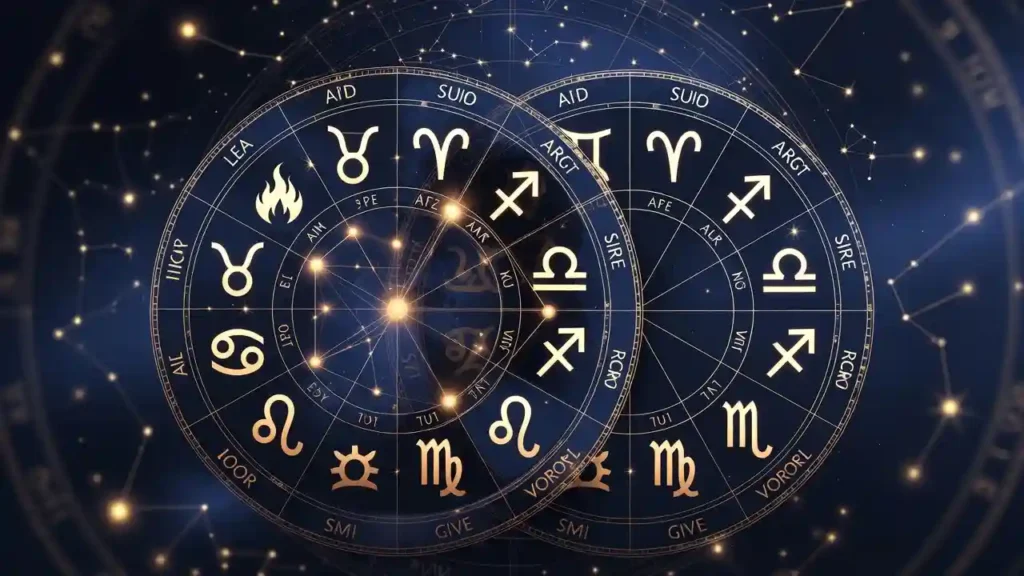
Astrology-based compatibility, often called “synastry” in astrological terms, compares the positions of the sun, moon, and planets at the time of each person’s birth. Compatibility scores here are based on the relationships between zodiac signs, such as how a Leo’s fire energy might interact with a Pisces’ water energy.
While astrology has a massive global following and a rich historical tradition, it’s important to recognize that mainstream science does not recognize astrology as a predictive tool for relationship outcomes. That said, many people find value in astrology as a framework for self-reflection and discussing personality traits with a partner.
Personality and Psychology-Based Scores
The most evidence-informed category of compatibility scoring draws from established psychological frameworks. Tools based on the Big Five personality traits (openness, conscientiousness, extraversion, agreeableness, and neuroticism) or attachment theory tend to focus on communication styles, emotional needs, and conflict resolution patterns.
According to research published by the American Psychological Association, relationship satisfaction is more strongly correlated with communication patterns, emotional responsiveness, and shared values than with any single personality “type” match. This means that even a high score on a personality-based test doesn’t guarantee compatibility unless both partners actively work on communication and mutual understanding.
Common Mistakes People Make When Reading Their Score
Many people fall into predictable traps when interpreting their compatibility results. Here are the most frequent mistakes:
Mistake 1: Treating the score as a final verdict. A 45% compatibility score doesn’t mean your relationship is doomed, and a 95% score doesn’t guarantee a happily ever after. Real relationships involve effort, communication, and growth that no algorithm can measure.
Mistake 2: Ignoring the methodology. If you don’t know whether your score comes from numerology, astrology, or a personality quiz, you can’t properly contextualize the result.
Mistake 3: Comparing scores across different tools. Getting 70% on one app and 40% on another doesn’t mean one tool is “wrong.” They’re simply using different calculation methods.
Mistake 4: Letting the score dictate emotions. Some people experience genuine anxiety or excitement based on a number generated by a fun online tool. It’s important to remember these tools are designed primarily for entertainment and light-hearted reflection.
Mistake 5: Sharing results without context. Sending your partner a low compatibility score without explaining it’s “just for fun” can cause unnecessary worry or hurt feelings.
How to Read Your Love Compatibility Score Correctly Across Different Tools
To properly interpret results across different platforms, follow this simple framework:
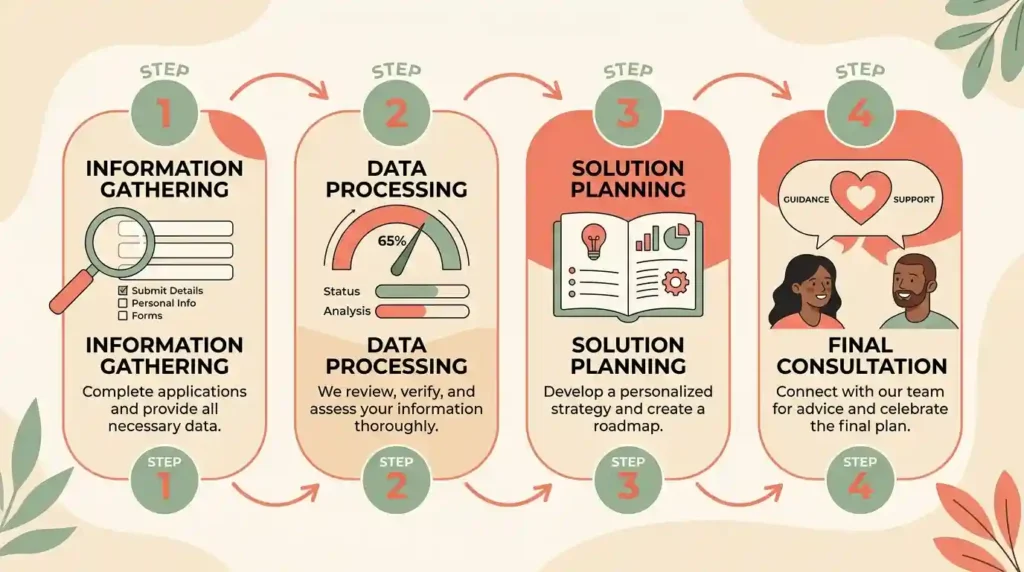
Step 1: Identify the Input Data
Check whether the tool asked for names only, full birth dates, birth times and locations, or personality quiz answers. More detailed inputs generally (though not always) indicate a more nuanced algorithm.
Step 2: Note the Score Range and What It Represents
Some tools present scores as percentages, others as letter grades or descriptive categories (“Soulmates,” “Good Match,” “Needs Work”). Understanding the scale helps you avoid over- or under-reacting to a number.
Step 3: Read the Accompanying Description
Most quality compatibility tools provide a written explanation alongside the score. This text often contains more useful insight than the number itself, describing potential strengths, challenges, or areas for growth in the relationship.
Step 4: Cross-Reference with Real-Life Observations
Compare the tool’s insights with your actual experiences in the relationship. Does the description align with how you and your partner communicate, resolve conflicts, or support each other? If you want a deeper dive into how accuracy works for real couples, this resource on whether a Love Calculator Accurate for Real Relationships explains the nuances in detail.
What a High or Low Score Actually Tells You
A high compatibility score (typically 80% and above) often suggests that, according to the tool’s specific algorithm, you and your partner share certain traits, energies, or characteristics that the system associates with harmony. This could mean similar communication styles, complementary personality traits, or aligned astrological elements, depending on the tool.
A low score (below 50%) doesn’t mean failure. It might simply indicate that you and your partner are more different than similar according to that specific metric. Many successful long-term couples have very different personalities, and those differences often become strengths when both partners understand and appreciate them.
A moderate score (50-79%) is actually one of the most common and arguably most realistic results, reflecting a healthy mix of similarities and differences, which research suggests is common in stable, long-term relationships.
Using Compatibility Scores as a Conversation Tool, Not a Verdict
One of the best ways to use a love compatibility score is as an icebreaker for deeper conversations with your partner. Instead of asking “Are we compatible?” based on a number, try asking:
- “What parts of this description feel true to us?”
- “What areas mentioned here do we already handle well?”
- “Is there anything in this result that we should talk about more?”
This approach transforms a potentially anxiety-inducing number into a fun, low-pressure way to discuss your relationship dynamics, strengths, and areas for growth.

When to Take Compatibility Scores Seriously (and When Not To)
Take these scores lightly when they’re based purely on names or zodiac signs with no personalized input beyond birth dates, when the result feels overly dramatic or absolute (“You will never work” or “Perfect soulmates forever”), and when you’re using them purely for entertainment with friends or on social media.
Take them slightly more seriously when they’re based on validated psychological frameworks, when they include detailed written explanations rather than just a number, and when the insights align with patterns you’ve genuinely noticed in your relationship.
Regardless of the score type, professional relationship counseling and evidence-based communication strategies remain the most reliable paths to understanding true compatibility.
Conclusion
Learning to read your love compatibility score correctly comes down to understanding context, methodology, and intention. Whether you’re using a numerology-based name calculator for fun or exploring a personality-based assessment for deeper insight, the number itself is just a starting point. The real value lies in the conversations, reflections, and connections these tools can spark between you and your partner. So the next time you check your compatibility percentage, remember to look beyond the number, read the full description, and most importantly, use it as a tool for connection rather than a source of stress.
FAQs
Q1: Is a love compatibility score scientifically accurate?
Most online love compatibility tools, especially those based on names or zodiac signs, are designed for entertainment and are not scientifically validated. Personality-based tools rooted in psychological research may offer more insight, but no tool can definitively predict relationship success.
Q2: What’s considered a “good” compatibility score?
There’s no universal standard, but scores above 70% are often labeled as “good” or “strong” matches by most calculators. However, even scores in the 40-60% range can represent healthy relationships, as differences often complement each other.
Q3: Can a low compatibility score mean my relationship won’t work?
No. A low score simply reflects the specific algorithm’s assessment based on limited inputs like names or birthdates. Real relationship success depends on communication, mutual respect, shared values, and effort from both partners.
Q4: Should I share my compatibility score with my partner?
Sharing can be fun if both partners understand it’s for entertainment. Frame it as a lighthearted activity rather than a serious assessment to avoid unnecessary worry.
Q5: How often should I check my compatibility score?
There’s no need to check repeatedly, as most algorithms produce consistent results for the same inputs. Use it once as a fun activity or conversation starter rather than something to revisit obsessively.