

Summary
Wondering whether your feelings are genuine—or whether you simply enjoy the attention, excitement, or relationship fantasy? This do you like your crush quiz helps you examine what you think, feel, and do around someone you may like. Instead of treating butterflies as proof, it looks at persistent interest, emotional connection, curiosity, compatibility, and your desire to know the real person. Answer honestly, then use the guidance below to separate romantic attraction from friendship, loneliness, validation, or a passing crush.
Table of Contents
- Why romantic feelings can be confusing
- Do You Like Your Crush Quiz: A quick self-check
- How to tell if you genuinely like someone
- Attraction, admiration, friendship, or love?
- Do you like them or the attention?
- How to read your Do You Like Your Crush Quiz results
- What to do after understanding your feelings
- Conclusion
- FAQs
Why Is It So Hard to Know If You Like Someone?
A crush can feel obvious one moment and confusing the next. You might experience frequent thoughts about someone, smile when their name appears on your phone, or feel nervous when they make eye contact. But those reactions do not always reveal why you are interested.
Romantic feelings can come from several sources. You may feel genuine interest in the person, physical attraction, admiration for their personality traits, excitement about being noticed, or hope that they could become your ideal partner. Sometimes, loneliness or a desire for validation can create feelings that resemble romantic attraction.
This is why self-reflection matters. The goal is not to find a perfect scientific formula for love. It is to notice patterns in your thoughts, motivations, and behavior.
Ask yourself whether you like the person as they truly are or an idealized version of them. Are you interested in their ordinary life, values, flaws, and needs? Or does most of the attraction exist in daydreaming and imagined future scenarios?
Your honest answers can give you emotional clarity, even if they do not produce an immediate yes or no.

Do You Like Your Crush Quiz: A Quick Self-Check
Choose the answer that describes your typical feelings—not one unusually exciting or disappointing interaction.
For each statement, give yourself:
- 2 points for “usually”
- 1 point for “sometimes”
- 0 points for “rarely or never”
Questions About Genuine Interest
- I want to learn about their daily life, opinions, values, goals, and personality traits.
- I enjoy time together even when nothing romantic or exciting is happening.
- I care about their happiness without expecting attention in return.
- I can name specific qualities I appreciate beyond appearance, popularity, or status.
- I want to understand their imperfections instead of ignoring or rewriting them.
- I feel comfortable showing my authentic self around them.
- I respect their boundaries, choices, friendships, and independence.
- My interest has remained fairly consistent rather than appearing only when I feel lonely.
- I am curious about whether we share important interests and values.
- I can imagine accepting an honest answer even if they do not share my feelings.
Questions About Romantic Attraction
- I feel a meaningful desire for emotional or physical closeness.
- I become excited, shy, or slightly nervous when I expect to see them.
- I notice myself smiling, blushing, flirting, or holding eye contact with them.
- Compliments from them feel more meaningful than ordinary praise.
- I think about spending intentional one-on-one time together.
- I am interested in exploring a romantic relationship, not only receiving their attention.
- I sometimes imagine a shared future while recognizing that fantasy is not reality.
- I want mutual feelings, trust, consistency, and emotional safety—not just chemistry.
- I would still find them interesting if nobody else knew about my crush.
- I am willing to get to know them gradually instead of rushing toward a label.
Add your points, but remember that quiz results are reflective guidance rather than proof. A score cannot confirm compatibility, predict mutual feelings, or tell you what another person wants.
For another focused self-check, try the do i have a crush quiz. You can also browse more Love Quizzes & Crush Tests when you want to explore your feelings from different angles.
How to Tell If You Genuinely Like Someone
A high crush intensity can be exciting, but intensity alone is not the same as genuine interest. Strong feelings may come from physical attraction, uncertainty, novelty, or fear of rejection. Look beyond the emotional rush and consider the quality of your interest.
You Are Curious About the Real Person
Genuine interest usually creates curiosity. You want to understand how the person thinks, what matters to them, how they treat others, and what makes them feel supported.
This curiosity goes deeper than collecting facts to impress them. You care about their experiences, values, friends, family, ambitions, and everyday preferences. You listen because you want to know them—not merely because you are waiting for a chance to flirt.
You Enjoy Ordinary Time Together
A relationship fantasy tends to focus on dramatic moments: the first kiss, a perfect date, a romantic confession, or an imagined shared future. Real connection also has room for ordinary life.
If you genuinely like someone, a simple conversation, quiet walk, study session, or routine errand can still feel worthwhile. You are attracted to their presence, not only the excitement surrounding them.
Your Feelings Include Caring and Respect
Caring means wanting the other person to be safe, respected, and happy. It also means accepting that they have boundaries and needs separate from your own.
Jealousy can occur during a crush, but it is not evidence of love. Intense jealousy may reflect anxiety, insecurity, anxious attachment, or fear of abandonment. Healthy romantic interest allows the other person to have friendships and make independent decisions.
You Can Be Authentic
Notice whether you feel free to be yourself. Some nervousness or shyness is normal, especially early on. Constantly performing, hiding your opinions, or changing your personality to match theirs is different.
Mirroring can happen naturally when two people connect, but you should not have to erase your identity to gain approval. Emotional intimacy grows through authenticity, trust, and the gradual experience of being known.
Your Interest Is Persistent but Flexible
A passing attraction may disappear as soon as the novelty fades or another appealing person appears. Persistent interest tends to remain after you learn more about someone, including qualities that do not fit your idealized image.
Persistence should not become obsession. You can genuinely like someone while continuing to focus on school, work, friendships, sleep, and personal goals. Healthy attraction leaves space for the rest of your life.
Attraction, Admiration, Friendship, or Love?
Different feelings can overlap, which is why a simple how to tell if you like someone quiz may not capture every detail. Understanding the distinctions can help.
Physical Attraction
Physical attraction is interest based mainly on appearance, chemistry, touch, or sexual interest. It can be part of a meaningful relationship, but it does not automatically create compatibility or emotional connection.
Ask yourself: If the physical spark became less intense, would I still want to talk with this person and understand them?
Admiration
You might admire someone’s confidence, intelligence, talent, kindness, or social status without wanting a romantic relationship. Admiration often feels inspiring, while a romantic crush usually includes a desire for greater personal closeness.
Friendship
A deep friendship can involve trust, affection, loyalty, shared interests, happiness, and emotional intimacy. The difference is not that friendship matters less. Instead, romantic interest may add flirting, physical attraction, romantic daydreaming, or a desire to date.
If you remain unsure, give yourself time. You do not have to change a friendship immediately just because a new feeling appears.
Crush or Love
A crush is often fueled by idealized attraction, excitement, and incomplete information. Love generally develops through knowledge, reliability, care, emotional safety, and commitment over time.
The Cleveland Clinic’s explanation of love, intimacy, passion, and commitment offers useful context for understanding why attraction and lasting love are related but distinct experiences.
If you are comparing deeper attachment with an exciting crush, the Am I in Love quiz can help you reflect on that difference.
Do You Like Them or the Attention?
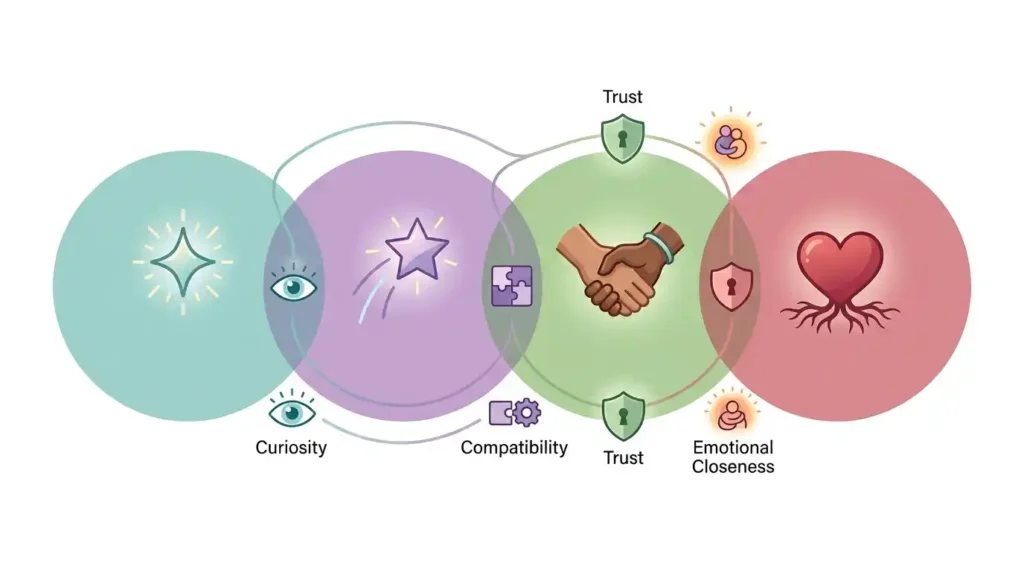
This may be the most important distinction in any how do I know if I like someone quiz. Attention can create excitement, happiness, and validation. When someone texts, compliments, or flirts with you, their interest may temporarily raise your confidence.
That reaction is human. It does not make your feelings fake. However, it is worth asking what remains when the attention stops.
Signs that your interest may be attention-driven include:
- You think about them mainly after they compliment or ignore you.
- Their appearance or popularity matters more than their character.
- You feel intense anxiety when they do not respond.
- You know little about them and feel limited curiosity about learning more.
- You enjoy being wanted but feel uncomfortable imagining real emotional intimacy.
- Your interest increases when you are lonely, bored, jealous, or recovering from heartache.
- You lose interest soon after their mutual feelings become clear.
- You want the status of a relationship more than time with the actual person.
Emotional unavailability can also complicate attraction. A person may enjoy flirtation while keeping every meaningful conversation at a distance. Alternatively, fear of abandonment may cause someone to treat constant reassurance as proof of love.
Try removing the imagined audience. If nobody saw you together, no social status came with dating them, and they offered no immediate validation, would you still want to know them?
That question often reveals the difference between superficial attraction and person-focused interest.
How to Read Your Do You Like Your Crush Quiz Results
Use your total from the self-check as a starting point.
30–40 Points: Strong, Person-Focused Interest
Your answers suggest genuine romantic attraction supported by curiosity, caring, and a desire for closeness. You may see the person as more than a fantasy and appear open to learning whether a healthy connection is possible.
Do not assume that a strong score guarantees mutual feelings or compatibility. Continue paying attention to trust, boundaries, consistency, and how you feel during real interactions.
18–29 Points: Mixed or Developing Feelings
You may have a crush, but some parts of your attraction are still unclear. Perhaps you are physically attracted to them but do not know them well, or you value the friendship and are unsure whether you want romance.
Spend more low-pressure time together. Observe whether your curiosity and comfort grow as the novelty settles.
0–17 Points: Passing or Attention-Based Attraction
Your interest may be a passing attraction, admiration, loneliness, or enjoyment of attention. That does not mean nothing is there. It may simply mean that you need more information before calling it a romantic connection.
Avoid forcing an answer because a quiz says you “should” feel something. Personal judgment and lived experience matter more than a score.
A Love Calculator or compatibility tool can be an entertaining way to explore a connection, but no calculator can replace communication and real-world knowledge. For playful comparisons, you can also use the Birthday Compatibility Calculator or the Boyfriend and Girlfriend Calculator. Treat the results as fun conversation starters, not decisions about your future.
What Should You Do Once You Understand Your Feelings?
Recognizing a crush does not mean you must confess immediately. First, consider your relationship readiness and the context surrounding the connection.
Get to Know Them Without Rushing
Spend time together in comfortable, appropriate settings. Ask open-ended questions and listen closely. Notice whether they are respectful, consistent, and reliable.
Real compatibility becomes clearer through repeated experiences—not one perfect conversation.
Look for Reciprocity Without Assuming It
Smiling, eye contact, blushing, compliments, or mirroring can suggest interest, but each behavior has multiple explanations. Shyness, friendliness, and cultural differences can affect how people communicate.
Mutual feelings cannot be confirmed through body language alone. Respectful, direct communication is more dependable than decoding every interaction.
Protect Both People’s Boundaries
Interest does not create entitlement. The other person can decline a date, need time, or prefer friendship. You also have the right to slow down, change your mind, and protect your emotional safety.
If you decide to share your feelings, keep it simple: “I enjoy spending time with you, and I’m interested in going on a date. Would you be open to that?”
This communicates genuine interest without creating pressure.
Step Back If the Crush Causes Distress
Occasional nervousness is common. Persistent anxiety, disrupted sleep, intrusive thoughts, extreme jealousy, or difficulty completing daily responsibilities deserves attention.
Create space, reconnect with supportive people, and return your focus to activities that strengthen your self-awareness. If the distress continues or connects to past trauma, fear of abandonment, or ongoing relationship patterns, consider speaking with a licensed therapist.

Conclusion
Knowing whether you genuinely like someone requires more than measuring butterflies, jealousy, or the number of times you think about them. Look for curiosity about the real person, enjoyment of ordinary time together, caring, authenticity, trust, and a steady desire for emotional closeness.
A crush can include excitement, nervousness, flirting, physical attraction, and daydreaming. Genuine romantic interest becomes clearer when those feelings are supported by respect, emotional connection, and realistic knowledge of the person.
Use the quiz results as a prompt for self-reflection—not a final verdict. Give your feelings time, protect your boundaries, and let real experiences reveal whether the connection is a passing spark, close friendship, or something capable of becoming love.
Frequently Asked Questions
How do you know if you actually like someone?
You probably like them if you remain curious about their real personality, enjoy ordinary time together, care about their happiness, and want closeness without needing constant validation.
Do I like them or do I just like the attention?
Imagine that the compliments, flirting, and social recognition disappeared. If you would still want to know and support the person, your interest is more likely genuine.
How can I tell the difference between friendship and a crush?
A crush may add romantic daydreaming, flirting, physical attraction, or a desire to date. Friendship can be deeply loving without including those romantic intentions.
Can a quiz tell me whether I like someone?
A how do you know if you like someone quiz can reveal patterns, but it cannot make the decision for you. Time, self-awareness, and real interactions provide a clearer answer.
Is thinking about someone constantly a sign of love?
Not necessarily. Frequent thoughts may reflect excitement, uncertainty, idealized attraction, anxiety, or infatuation rather than love.
How long does a crush last?
There is no universal timeline. Some crushes fade quickly, while others deepen as trust, knowledge, and emotional intimacy grow.
Should I tell my crush that I like them?
Tell them if the situation feels safe, respectful, and appropriate—and if you can accept either answer without pressuring them.
What if my crush does not like me back?
Rejection can cause sadness or heartache, but it does not reduce your worth. Respect their answer, create space if needed, and reconnect with supportive people and routines.