

Summary
This do I love him quiz helps you examine whether your feelings point to genuine love, a crush, infatuation, lust, attachment, comfort, or habit. Answer each question honestly, calculate your score, and use the interpretation guide to understand your romantic feelings more clearly. The result cannot make a relationship decision for you, but it can reveal patterns involving trust, emotional intimacy, attraction, commitment, and long-term readiness.
Table of Contents
- Why Romantic Feelings Can Be Confusing
- Do I Love Him Quiz or Do I Love Her Quiz
- How to Read Your Do I Love Him Quiz Result
- Love, Infatuation, Lust, or Attachment
- Signs Your Feelings May Be Genuine Love
- When Comfort or Habit Feels Like Love
- How Relationship Anxiety Affects Your Feelings
- What to Do After Taking the Quiz
- Conclusion
- Frequently Asked Questions
Why Romantic Feelings Can Be Confusing
Falling in love does not feel exactly the same for everyone. For one person, romantic love may feel like excitement, passion, and powerful chemistry. For another, it may feel like safety, companionship, acceptance, and a steadily growing emotional bond.
Confusion often begins because love shares features with several other experiences. A crush can create butterflies and constant thoughts about another person. Lust can produce strong physical attraction and desire. Infatuation may make someone appear perfect, while attachment can create an intense fear of losing the relationship.
Early attraction also involves biological processes. Brain chemicals such as dopamine are associated with reward, motivation, and the excitement of pursuing someone. Oxytocin is often associated with bonding, touch, and closeness. These reactions are real, but chemistry alone does not prove that a relationship is loving, compatible, or healthy.
Genuine love usually becomes clearer through time and behavior. It involves seeing a person as they actually are—not only as an idealized partner—and continuing to care about their well-being. It is supported by trust, respect, vulnerability, mutual care, and a willingness to handle ordinary life together.
If you are still learning to distinguish attraction from deeper feelings, the do i have a crush quiz can help you explore whether your interest is mainly a crush.

Do I Love Him Quiz or Do I Love Her Quiz?
This relationship feelings quiz works regardless of your partner’s gender. Whether you searched for a do I love him test, a do I love her quiz, or a broader love quiz, focus on one specific person while answering.
Choose the answer that best describes your usual experience—not what you think a “good partner” should say.
How to Score the Quiz
Give yourself:
- 3 points for each A answer
- 2 points for each B answer
- 1 point for each C answer
- 0 points for each D answer
1. How do you feel when you spend ordinary, uneventful time together?
A. Comfortable, connected, and happy to share everyday life
B. Usually content, although I sometimes need more excitement
C. Restless unless the moment feels romantic or intense
D. Bored, disconnected, or eager to leave
2. When you think about your partner’s flaws, what happens?
A. I see them clearly and accept the person without excusing harmful behavior
B. Some flaws bother me, but we can discuss them respectfully
C. I tend to ignore the flaws because I want the relationship to feel perfect
D. I frequently feel contempt or wish they were a different person
3. What matters most to you about the relationship?
A. Mutual care, emotional connection, and growing together
B. Companionship, affection, and shared experiences
C. Chemistry, attention, passion, or relationship status
D. Avoiding loneliness or the discomfort of starting over
4. Can you be emotionally vulnerable with this person?
A. Yes, I can share fears, needs, and honest feelings safely
B. Usually, although certain topics are difficult
C. I hide important parts of myself to keep their interest
D. No, openness is mocked, punished, dismissed, or used against me
5. How do you respond to disagreements?
A. I want fair conflict resolution and a solution that respects both people
B. I may become defensive, but I can return to the conversation
C. I panic, withdraw, or seek constant reassurance
D. Conflicts involve threats, humiliation, coercion, or fear
6. How much do you trust your partner?
A. Trust is strong and supported by consistent actions
B. Trust is developing, with a few unresolved concerns
C. I often check, test, or question their feelings
D. There has been repeated dishonesty or I do not feel emotionally safe
7. Do you care about your partner’s needs as well as your own?
A. Yes, while maintaining healthy boundaries and self-respect
B. Usually, though balance can be difficult
C. I make excessive sacrifices because I fear losing them
D. One person’s needs consistently control the relationship
8. If physical attraction became less intense, what would remain?
A. Friendship, respect, affection, and a meaningful emotional bond
B. Companionship and several shared interests
C. I am uncertain whether there would be much connection
D. Very little would remain
9. Do you know the real person or mainly their potential?
A. I know their strengths, limitations, habits, and values
B. I know them fairly well but still fill in a few gaps
C. I often imagine who they could become
D. I am attached mostly to an idealized version of them
10. How do you picture a future together?
A. I can imagine ordinary responsibilities as well as meaningful milestones
B. I see potential, but important conversations still need to happen
C. I enjoy the fantasy but avoid practical questions
D. I cannot imagine a healthy future together
11. What happens when your partner needs space?
A. I miss them but respect their independence
B. I feel uneasy at first but manage it constructively
C. I experience obsessive thoughts or intense reassurance-seeking
D. I try to control, pressure, monitor, or punish them
12. Are you interested in your partner’s inner world?
A. Yes, I care about their beliefs, fears, goals, needs, and experiences
B. I know many important things but could listen more closely
C. I focus more on how they make me feel than on who they are
D. I have little curiosity about their thoughts or well-being
13. How does the relationship affect your sense of self?
A. I feel accepted and able to remain myself
B. I feel supported, although we are still learning how to relate
C. I frequently change myself to gain approval
D. I feel diminished, controlled, frightened, or isolated
14. Why do you stay?
A. Because I value this person and freely choose the relationship
B. Because the bond is meaningful, although I have some doubts
C. Because of comfort, habit, dependency, or fear of loneliness
D. Because I feel trapped, pressured, or afraid of what will happen if I leave
15. Are you both willing to invest in the relationship?
A. Yes, commitment, compromise, and effort come from both sides
B. Usually, although the balance is not always equal
C. I do most of the emotional work
D. There is little mutual effort or willingness to repair problems
How to Read Your Do I Love Him Quiz Result
Add your points from all 15 questions. The highest possible score is 45.
36–45 Points: Strong Signs of Genuine Love
Your answers suggest a relationship built on emotional intimacy, trust, acceptance, and mutual care. You seem able to recognize your partner’s flaws while still valuing the whole person. You may also have the emotional clarity and long-term readiness needed to imagine a realistic future together.
A high score does not mean the relationship is perfect. Healthy couples still face stress, disappointment, and disagreement. The difference is that both people usually approach these challenges through honest communication, respect, compromise, and constructive conflict resolution.
26–35 Points: Meaningful Feelings That Are Still Developing
You may be experiencing genuine affection and an increasingly strong emotional connection, but some aspects of the relationship remain uncertain. Perhaps trust is still growing, compatibility has not been tested, or conversations about exclusivity and commitment have not happened yet.
Avoid forcing yourself to reach a permanent conclusion. Continue learning about the person in real situations, especially during stress, boredom, disappointment, and disagreement. Those moments often reveal more about relationship dynamics than an exciting date does.
For another perspective on your emotions, try the Am I in Love quiz.
16–25 Points: Attraction Mixed With Uncertainty
Your score may reflect a mixture of a crush, physical attraction, infatuation, attachment, and developing romantic feelings. The relationship might contain real potential, but intensity is currently easier to identify than deeper compatibility.
Ask yourself whether you love the actual person or the feelings produced by their attention. Preoccupation, desire, jealousy, and dramatic chemistry can feel powerful without creating a secure emotional bond. Give the relationship time and observe whether trust, friendship, and mutual respect grow.
If you are unsure whether your attraction is genuinely romantic, the do you like your crush quiz offers another useful self-reflection exercise.
0–15 Points: Comfort, Habit, or Disconnection May Be Stronger
A low score does not automatically mean you feel nothing. You may still have affection, memories, companionship, or concern for the other person. However, fear of loneliness, emotional dependency, routine, relationship status, or habit may be keeping the relationship in place.
Consider what you would choose if guilt, pressure, and fear were removed. If red flags, coercion, control, or relationship safety concerns influenced your answers, prioritize support and safety rather than trying to improve your quiz score.
This quiz is a self-reflection tool, not a diagnostic instrument. It cannot determine whether you should stay, leave, marry, or end a relationship.
Love, Infatuation, Lust, or Attachment
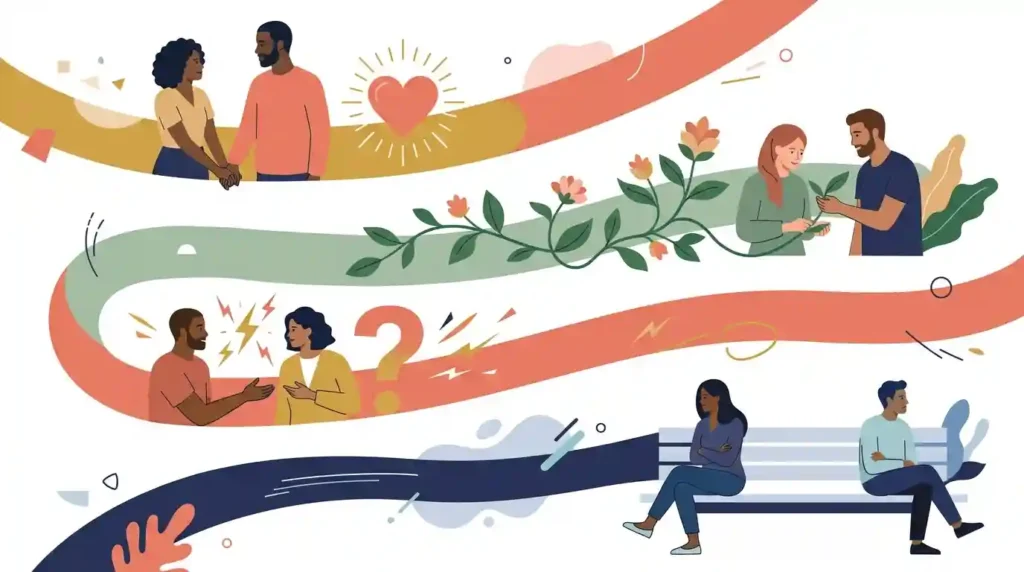
Understanding the differences between these feelings can make your result more useful.
Genuine Love
Genuine love is not only an emotion; it is also a pattern of care. It usually includes respect, trust, affection, emotional intimacy, and interest in the other person’s well-being. You can appreciate their strengths without denying their limitations.
Love allows closeness and individuality to exist together. You want a shared future, but you do not need to control your partner to feel secure.
Infatuation
Infatuation is often intense, exciting, and heavily influenced by idealization. You may focus on someone’s potential, overlook obvious incompatibilities, or treat every interaction as evidence that the relationship is destined to succeed.
Infatuation is not fake. It can be an early stage of falling in love. The question is whether it develops into a grounded bond after you learn who the person really is.
Lust
Lust centers primarily on sexual desire and physical attraction. It can exist inside a loving relationship, but it can also exist without emotional intimacy, commitment, or compatibility.
Ask what remains when flirtation and physical contact are removed. If you still want to understand, support, and spend ordinary time with the person, your feelings may extend beyond lust.
Attachment
Attachment is the bond that makes someone feel familiar, important, and emotionally significant. Secure attachment can support romantic love. However, attachment alone does not prove that a relationship is compatible or healthy.
Anxious attachment may involve fear of loss, obsessive thoughts, emotional highs and lows, or repeated reassurance-seeking. Those experiences can make a relationship feel unusually intense even when trust and safety are weak.
Signs Your Feelings May Be Genuine Love
No single sign proves that you are in love. Look for a consistent combination of the following:
You See the Whole Person
You recognize your partner’s flaws, habits, boundaries, and differences. You do not need to pretend they are perfect to care about them.
You Feel Safe Being Vulnerable
You can discuss insecurities, mistakes, partner needs, and difficult emotions without expecting ridicule or punishment. Emotional safety makes honest communication possible.
You Care About Their Well-Being
Their happiness matters to you beyond what they provide in return. At the same time, caring does not require abandoning your own health, friendships, goals, or boundaries.
You Can Handle Ordinary Life Together
You value quiet companionship as well as passion. Grocery shopping, household responsibilities, waiting in traffic, and uneventful evenings do not destroy the connection.
You Respect Each Other During Conflict
Disagreement does not become a contest for power. Both partners can listen, apologize, compromise, and work toward conflict resolution.
You Choose Commitment Freely
You want exclusivity or a future together because the relationship fits your values—not because you fear being alone. Commitment is strongest when it comes from choice rather than emotional dependency.
The American Psychological Association recommends open communication, maintaining personal interests, and seeking help when needed as ways to support healthy romantic relationships.
When Comfort or Habit Feels Like Love
Comfort is not a bad thing. A stable relationship should often feel familiar and peaceful. The difficulty is distinguishing healthy comfort from staying only because change feels frightening.
Habit may be playing a larger role when:
- You rarely feel curious about your partner.
- You avoid imagining life outside the relationship because it feels inconvenient.
- You miss the routine more than the person.
- You stay mainly because of time already invested.
- You feel relief rather than disappointment when plans are canceled.
- You repeatedly imagine a future without your partner.
- Friendship, attraction, and emotional connection have all weakened.
- Neither person is willing to address ongoing problems.
Before making a decision, consider whether stress, grief, depression, burnout, or an unresolved conflict is temporarily affecting your emotions. A quiet phase does not always mean love has ended.
Couples who want to explore practical compatibility can use the Couple Compatibility Calculator as a light, reflective activity. Married partners may prefer the Husband and Wife Compatibility Calculator.
These tools can start conversations, but they should not replace what you learn through real behavior and direct communication.
How Relationship Anxiety Affects Your Feelings
Relationship anxiety can make it difficult to trust your own emotions. One day, you may feel certain that you have found your ideal partner. The next, a delayed message may create uncertainty, fear, or the urge to end the relationship before you can be rejected.
Common signs include:
- Constantly checking whether your feelings are “strong enough”
- Interpreting normal space as rejection
- Needing repeated proof that your partner cares
- Comparing your relationship with idealized couples
- Confusing emotional intensity with compatibility
- Testing your partner instead of expressing a need
- Experiencing persistent fear of loss
- Feeling unable to function independently
Your gut instinct can provide useful information, but anxiety can sound like intuition. Try to identify whether your concern is supported by a repeated pattern of behavior or driven by a hypothetical fear.
A journal can help. Write down what happened, what you felt, what you assumed, and what evidence supports or challenges that assumption. Over time, this process can reveal relationship patterns more accurately than one emotional moment.
Relationship Safety Matters More Than a Quiz Result
Love does not require tolerating intimidation, isolation, monitoring, threats, sexual pressure, financial control, or coercion. Strong passion and attachment can exist in an unsafe relationship, but those feelings do not make harmful behavior acceptable.
Warning signs may include:
- Feeling afraid to disagree
- Being pressured to surrender privacy
- Having contact with friends or family restricted
- Being blamed for another person’s aggression
- Facing threats of self-harm designed to prevent you from leaving
- Being pressured into sexual activity
- Having money, transportation, or communication controlled
- Being insulted, humiliated, stalked, or physically harmed
If these red flags are present, seek confidential professional support. A trusted person, licensed therapist, local support organization, or emergency service may help you consider safer next steps. If you are in immediate danger in the United States, call 911.
What to Do After Taking the Quiz
1. Notice Your Strongest Pattern
Look beyond the total score. Did your answers repeatedly point toward trust and mutual care, or toward idealization, anxiety, and fear of loneliness? A repeated theme is often more informative than one answer.
2. Separate Feelings From Relationship Quality
You can love someone and still recognize that the relationship is unhealthy or incompatible. Similarly, you can have a respectful relationship while realizing that your romantic feelings have changed.
Ask two separate questions:
- What do I feel for this person?
- Is this relationship healthy and workable for both of us?
3. Have an Honest Conversation
Choose a calm time to discuss emotional needs, boundaries, commitment, and expectations. Use specific statements such as, “I feel disconnected when we avoid difficult conversations,” rather than accusations such as, “You never care.”
4. Observe Actions Over Time
Promises can create hope, but patterns reveal the relationship. Pay attention to consistency, accountability, respect, and the ability to repair conflict.
5. Protect Your Individual Well-Being
Maintain friendships, interests, rest, and personal goals. A healthy emotional bond should add to your life rather than erase your identity.
6. Seek Professional Support When Needed
A mental health professional can help if uncertainty becomes persistent, relationship anxiety interferes with daily life, or old attachment patterns influence your choices. A licensed therapist can support emotional clarity without deciding for you.
For additional reflective activities, visit Love Quizzes & Crush Tests or explore Love Calculator Live with your partner.
Conclusion
The answer to “Do I love him or her?” rarely comes from butterflies alone. Romantic love is usually revealed through a combination of affection, attraction, emotional intimacy, trust, respect, acceptance, and freely chosen commitment.
Your quiz result is not a verdict. Use it as a starting point for self-reflection. Notice whether your feelings remain steady when excitement fades, whether you know the real person rather than an idealized version, and whether the relationship supports both partners’ well-being.
Most importantly, remember that loving someone and having a safe, compatible relationship are related but separate questions. Give yourself time, observe consistent behavior, communicate honestly, and seek professional support if uncertainty or safety concerns become difficult to manage.
Frequently Asked Questions
How do I know if I really love him?
You may genuinely love him if you value his whole personality, care about his well-being, trust him, and can imagine sharing ordinary life—not only romantic moments.
Is this do I love him test accurate?
It is a self-reflection tool, not a clinical or diagnostic instrument. Its value comes from helping you notice feelings and relationship patterns.
How do I know if I love her or just like her?
Love usually includes deeper emotional intimacy, acceptance, vulnerability, and commitment. Liking someone may involve affection and enjoyment without the same emotional bond.
Do I love him or am I attached?
Love centers on caring for the actual person, while attachment may center more on familiarity, security, reassurance, or fear of loss. Both can exist together.
Do I love him or am I afraid to be alone?
Imagine loneliness were not a concern. If you would still freely choose him for who he is, your feelings may go beyond fear of loneliness.
Can infatuation turn into love?
Yes. Infatuation can develop into love as idealization fades and trust, acceptance, friendship, and commitment grow.
Can you love someone without physical attraction?
Yes. Romantic and emotional love can exist with limited physical attraction, although attraction needs and expectations differ between individuals.
Why do I keep questioning my feelings?
Persistent doubt may come from uncertainty, relationship anxiety, unresolved problems, incompatible needs, or anxious attachment. Journaling or therapy may help clarify the pattern.
Does a high quiz score mean we should stay together?
No. A high score suggests strong feelings, but decisions should also consider compatibility, mutual respect, relationship safety, and shared goals.
Should I tell my partner about my doubts?
If it feels safe, an honest and respectful conversation can improve clarity. Choose a calm moment and focus on your feelings rather than blame.


