

Summary
If you keep wondering who is your crush, pay attention to the person who repeatedly occupies your thoughts, creates genuine excitement, and inspires a desire for emotional closeness—not simply the person you find attractive. Butterflies, frequent phone checking, jealousy, and daydreaming may offer clues, but the clearest answer comes from examining your behavior patterns, emotional connection, and hopes for the relationship. This guide includes reflective questions, common signs, and a crush quiz to help you distinguish romantic feelings from friendship, admiration, loneliness, or a passing attraction.
Table of Contents
- Why identifying a crush can feel confusing
- Who is your crush? Start with your emotional pattern
- Signs you have romantic feelings for someone
- Crush or close friendship?
- Attraction, admiration, or genuine connection?
- Who is your crush? A self-reflection quiz
- Understanding your quiz result
- Can a quiz reveal your crush’s name?
- How multiple crushes work
- Does your crush like you back?
- What to do about your feelings
- Conclusion
- FAQs
Why Identifying a Crush Can Feel Confusing
A crush is not always obvious. Sometimes one person enters your thoughts immediately and produces an unmistakable romantic spark. At other times, feelings grow slowly from a close friendship, casual connection, or repeated chance encounter.
You may also have multiple crushes, feel attracted to someone you barely know, or confuse emotional support with romantic interest. Physical attraction can appear quickly, while trust and a deeper connection usually take time.
That creates questions such as:
- Do I like this person romantically or as a friend?
- Am I attracted to their appearance or their personality?
- Do I want a relationship, or do I simply enjoy their attention?
- Is this excitement about the person or about the romantic fantasy?
- Would I still care about them if dating were not possible?
- Am I imagining a connection because I feel lonely?
- Do I like several people for different reasons?
Confusion does not mean your feelings are false. It means they need context. A crush quiz can organize your thoughts, but it cannot produce a definitive answer without honest self-reflection.
If you enjoy lighthearted tools while exploring your emotions, Love Calculator offers several playful ways to think about attraction. Treat any result as entertainment rather than evidence that a relationship is destined to happen.
Who Is Your Crush? Start With Your Emotional Pattern
Instead of trying to guess a crush name or first initial, look at the person connected to the strongest recurring pattern.
Who enters your thoughts without effort?
Frequent thoughts are among the most recognizable signs of a crush. You may remember something the person said, imagine your next conversation, or mentally replay a moment that seemed meaningful.
Ask yourself whether you:
- Think of the person while doing unrelated activities
- Want to tell them when something exciting happens
- Replay recent interactions
- Imagine conversations that have not occurred
- Wonder what they think of you
- Notice reminders of them throughout the day
- Picture spending one-on-one time together
Occasional thoughts do not necessarily indicate romantic desire. The difference is emotional intensity. Does thinking about this person produce anticipation, warmth, nervousness, or a giddy feeling?
Whose message changes your mood?
Consider your physical and emotional reaction when a text message or phone call arrives. If your heart starts racing, you immediately feel more alert, or you become unusually careful about your reply, romantic feelings may be involved.
Phone checking is another clue. You might hope a notification is from one particular person, monitor their social-media activity, or feel disappointed when a conversation ends.
Do not judge attraction entirely by texting habits. Some people dislike messaging or have demanding schedules. Focus on your reaction: whose attention matters most to you?
Who do you hope to impress?
A new crush can make you more aware of your appearance, humor, intelligence, or personal style. You may choose clothes with them in mind, rehearse a joke, or hope they notice a new hairstyle.
Wanting approval is not the same as love. However, it can reveal whose opinion has acquired unusual emotional importance.
Who appears in your romantic future?
Imagine each possible person in a realistic situation—not a perfect romantic fantasy. Consider ordinary weekends, disagreements, busy schedules, family events, and moments of vulnerability.
Your crush may be the person with whom you imagine:
- Going on an ideal date
- Sharing personal secrets
- Giving or receiving emotional support
- Celebrating achievements
- Spending quiet time
- Becoming physically affectionate
- Developing mutual trust
- Exploring a romantic relationship
A fantasy may focus on flowers, chocolate, a meaningful gift, or a handwritten card. A more grounded romantic aspiration includes communication, compassion, mutual effort, and interest in the other person’s real life.
Signs You Have Romantic Feelings for Someone
Butterflies and physical excitement
Attraction can produce butterflies, blushing, nervousness, or a racing heart. You might feel more energetic when the person enters the room and unusually self-conscious during eye contact.
These sensations often accompany a new crush, but they are not unique to romance. Social anxiety and fear of rejection can create similar reactions.
Physical signs are most useful when paired with emotional and behavioral clues.
Daydreaming and anticipation
You may daydream about a first date, imagine them confessing romantic feelings, or picture what it would be like to hold hands. A secret crush can become the central character in an elaborate private story.
Daydreaming is normal. The caution is that imagined compatibility can feel stronger than the connection you have actually developed. Make sure your image of the person is based on real interactions rather than assumptions.
Jealousy or discomfort
Jealousy may appear when the person talks about dating someone else. You could feel uneasy when they compliment another person or wonder whether someone else is better suited to them.
Jealousy can reveal emotional investment, but it does not prove love or create ownership. Your crush is free to make their own relationship choices.
If jealousy becomes controlling, overwhelming, or harmful to your self-esteem, step back. Healthy affection respects the other person’s independence.
A desire for emotional closeness
Physical attraction may draw your attention, but romantic interest often includes curiosity about the person’s inner world. You want to know their goals, worries, memories, values, and personality traits.
You may feel comfortable showing vulnerability or hope they will trust you with personal secrets. When they face a problem, you want to provide genuine support rather than simply impress them.
That desire for mutual understanding can indicate a deeper connection.
Looking for chances to connect
A crush often influences behavior. You may initiate conversation, send a message first, choose a nearby seat, or look for natural opportunities to spend time together.
You might also:
- Extend small talk
- Suggest a shared free-time activity
- Offer an invitation
- Remember their memorable schedule
- Notice their relationship status
- Give thoughtful compliments
- Use humor to create laughter
- Make the first move in a conversation
- Feel tempted to arrange a chance encounter
Be honest about the difference between creating a normal opportunity and invading personal space. Following someone, monitoring them, or repeatedly appearing where they are without invitation is not a healthy expression of affection.

Crush or Close Friendship?
Friendship and romantic attraction share many features. You may trust a friend, enjoy their company, laugh together, exchange compliments, and offer emotional support without wanting to date.
Signs it may be a close friendship
Your connection may be platonic when:
- You enjoy spending time together but do not imagine physical affection
- You feel supportive when they date someone else
- You rarely think of them in a romantic context
- Their messages make you happy without creating nervous anticipation
- You value the friendship exactly as it is
- The idea of a romantic confession feels uncomfortable
- You do not feel a desire to become their partner
A platonic bond can be emotionally deep. The absence of romance does not make it less valuable.
Signs the friendship may be becoming romantic
Your feelings may be changing when:
- One-on-one time begins to feel different
- Physical contact, such as hugging or a casual touch, feels more emotionally significant
- You imagine an ideal date together
- Their dating life begins to affect you
- You want them to see you as potential partner material
- You picture a romantic future
- You become more vulnerable around them
- You hope they will make the first move
Before acting, consider what outcome you genuinely want. Do not confess simply because friends’ teasing has created pressure or because you are afraid someone else will date them first.
Attraction, Admiration, or Genuine Connection?
Physical attraction
Physical attraction may focus on appearance, hair color, eye color, style, voice, or body language. Smiling, blushing, prolonged eye contact, and physical touch can make the attraction feel intense.
This does not automatically mean you want a relationship. You may find someone attractive without knowing whether their values, communication style, or ambitions align with yours.
Admiration
You may admire a person’s intelligence, compassion, confidence, creativity, popularity, or success. Their personality vibe might feel warm and easygoing, bold and energetic, quiet and thoughtful, or playful and funny.
Admiration becomes confusing when you want to resemble someone as much as you want to be with them. Ask whether you desire mutual intimacy or simply respect their qualities.
Romantic connection
A romantic connection combines attraction with a wish to know and support the real person. It involves curiosity, emotional investment, and openness to mutual vulnerability.
You do not merely want their attention; you care about their well-being. You can see their imperfections without losing all interest. You want a relationship based on trust rather than a one-sided fantasy.
Loneliness or validation
Sometimes the appeal is not one specific person but the feeling of being desired. A compliment, invitation, or friendly touch may seem more important when you are lonely or uncertain about yourself.
Ask: “Would I still choose this person if I already felt confident, connected, and secure?”
The answer may clarify whether you want them or the validation they represent.
Shared Interests Can Reveal Who Matters Most
Shared interests provide natural opportunities to notice your emotional pattern. The topic itself does not have to be romantic. You may realize who your crush is because they are the first person you want to call about music, school, travel, work, or caring for a pet.
For example, two dog owners might connect while discussing How Long Does Freshpet Last or comparing the Freshpet Dog Food Cost monthly. The subject is ordinary, but your excitement about continuing the conversation may be revealing.
Practical questions—such as how much Freshpet to feed dog or whether Is Freshpet Good for Puppies—can become part of a meaningful connection when someone listens carefully and shares responsibility.
You might even bond through research, comparing Freshpet Dog Food with Diamond Dog Food or learning who makes Freshpet dog food.
Later, a discussion of Natural Balance Dog Food, Pedigree dog food, or Pure Balance Dog Food might simply become another shared activity.
The important sign is not the subject. It is whether you value this person’s opinion, look forward to their messages, and feel a special desire to share everyday life with them.
Who Is Your Crush? A Self-Reflection Quiz
This find your crush quiz cannot identify a person automatically. It can help you compare your feelings about the people already in your life.
Choose up to three possible people and label them A, B, and C. Answer each quiz question for every person using:
- 0 points: not true
- 1 point: occasionally or slightly true
- 2 points: frequently or strongly true
Quiz Questions
- I think about this person without intentionally trying to.
- Seeing their name on my phone creates excitement.
- I imagine spending one-on-one time with them.
- I want to know their thoughts, goals, and personal experiences.
- I feel nervous or unusually aware of myself around them.
- I notice small details about their appearance and personality.
- I hope they find me physically attractive.
- I want to offer emotional support when they are struggling.
- I imagine going on a date with them.
- I feel some jealousy when they discuss another romantic interest.
- Physical contact, such as a hug, feels emotionally meaningful.
- I want to share important news with them.
- I can imagine trusting them with personal secrets.
- I am interested in their real personality, not only my romantic fantasy.
- I would like to explore a relationship if they felt the same way.
- I can respect a rejection without trying to change their mind.
- I want a mutual connection rather than attention alone.
- I picture this person as part of my romantic future.
Add the points for each person separately.
For more self-reflection tools, browse Love Quizzes and Crush Tests.
Understanding Your Quiz Result
0–11 points: Little evidence of a crush
This person may be a casual acquaintance, a friend, or someone you admire. Your interactions do not currently create strong romantic feelings.
Do not force a crush because the person seems attractive or because others think you would make a good couple.
12–22 points: Possible attraction
You show curiosity and some romantic interest, but your feelings may still be developing. More real-life interaction could clarify whether this is affection, physical attraction, or genuine compatibility.
Notice how you feel after spending time together. Are you comfortable and happy, or mainly excited by uncertainty?
23–29 points: A likely crush
Your thoughts, emotions, and behavior suggest a meaningful attraction. You probably want a connection that goes beyond ordinary friendship.
Before taking action, consider the person’s availability and whether the relationship would be appropriate, respectful, and mutual.
30–36 points: Strong romantic interest
This person holds a significant place in your emotional life. You may be imagining a romantic future, hoping for deeper connection, and experiencing strong anticipation.
A high score does not prove love at first sight or long-term compatibility. It shows emotional intensity, not destiny.
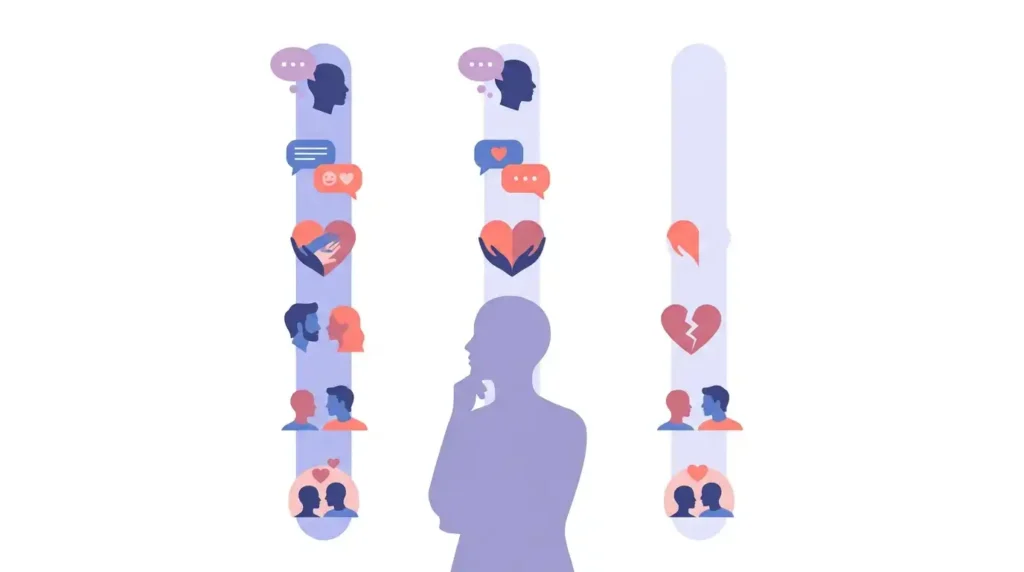
If two people receive similar scores
Multiple crushes are normal. One person may create a strong physical attraction, while another offers emotional safety and trust.
Compare the quality of your interest:
- Who do you know more realistically?
- Who shares your values?
- Who respects your personal space?
- Who inspires you to act authentically?
- With whom does mutual effort feel possible?
- Who is available for a relationship?
You do not need to select someone immediately. Feelings often become clearer with time.
Can a Quiz Answer “What Is My Crushes Name?”
People often search phrases such as “what is my crushes name” hoping a personality quiz will produce a name, nickname, first initial, or zodiac sign.
A quiz cannot discover an unknown crush identity through your favorite color, birth month, preferred hairstyle, or ideal date. These questions can create an entertaining quiz result, but they do not reveal hidden personal information.
Tools such as the Love Calculator by Initials are best treated as playful experiences. Similarly, the Love Calculator by Age may inspire conversation, but age alone cannot measure affection, trust, or compatibility.
Result accuracy improves when questions examine your real thoughts and recent interactions. Even then, a quiz remains a prompt for reflection—not a scientific test or definitive answer.
Does Your Crush Like You Back?
Knowing whom you like does not reveal how they feel. Separate your romantic desire from their observable behavior.
Potential romantic signals include:
- Initiating conversation or texting first
- Making time for you
- Giving thoughtful compliments
- Showing positive body language
- Smiling and maintaining eye contact
- Finding respectful reasons to sit near you
- Remembering personal details
- Inviting you to spend time together
- Participating in a balanced back-and-forth
- Expressing interest directly
No single behavior proves attraction. A friendly person may hug, joke, or communicate warmly with everyone. Shyness, anxiety, and cultural differences can also influence behavior.
If you want to examine those signals separately, Who Has a Crush on Me focuses on recognizing possible interest from other people.
Mixed signals deserve caution. Intense attention followed by repeated withdrawal may indicate confusion, fear of rejection, limited interest, or emotional unavailability. Do not invent an ideal explanation for inconsistent behavior.
What to Do When You Understand Your Feelings
Give yourself time
You do not need to act immediately. Observe how your feelings develop through ordinary interaction. A short-lived romantic spark may fade, while a genuine connection may become more stable.
Learn more about the real person
Ask open questions and listen carefully. Notice how they treat friends, strangers, and people who cannot offer them anything.
Shared interests and attraction matter, but compassion, honesty, and respect are stronger indicators of relationship potential.
Check their relationship status
Before making a move, determine whether the person is single and emotionally available. Respect existing relationships.
Someone being unavailable does not make your feelings shameful, but it should shape your behavior.
Make a simple, respectful invitation
You do not need a dramatic confession. Try:
- “I enjoy talking with you. Would you like to get coffee sometime?”
- “Would you be interested in going on a date with me?”
- “I think I may like you as more than a friend. How do you feel?”
Direct communication provides more clarity than mind games, friends’ teasing, or repeated analysis of body language.
Respect the response
Enthusiastic consent matters in every romantic and physical interaction. Planned Parenthood’s healthy relationship guidance identifies communication and consent as essential parts of a healthy relationship.
If the answer is no, accept it. Rejection can produce sadness, embarrassment, or heartache, but it does not reduce your worth.
Do not keep asking, pressure the person, or attempt to provoke jealousy. Give both of you enough space for the situation to settle.
Ask for support when needed
A trusted friend can help you reality-check intense romantic feelings. If anxiety, jealousy, or unrequited love begins interfering with daily life, a relationship expert, counselor, therapist, or LMSW can provide a neutral perspective.

Quiz Limitations and Emotional Safety
A crush quiz reflects the answers you provide. Mood, expectations, relationship history, anxiety, loneliness, and self-doubt can influence those answers.
Remember:
- Attraction is not automatically love.
- Jealousy is not proof of compatibility.
- A romantic fantasy is not a relationship.
- Physical touch requires consent.
- A first initial cannot reveal destiny.
- A zodiac sign cannot identify a secret crush.
- Friends’ teasing is not evidence.
- Emotional intensity does not guarantee mutual interest.
- Rejection does not make your feelings foolish.
- No quiz result can replace direct communication.
The goal is emotional clarity, not absolute certainty. Understanding your feelings helps you choose respectful actions even when you cannot control the outcome.
Conclusion
Your crush is usually the person connected to a repeated combination of romantic thoughts, physical attraction, emotional curiosity, nervous anticipation, and a desire for greater closeness.
To answer who is your crush, move beyond appearance and notice your deeper pattern. Whose message makes you smile? Who do you want to support? Who appears in your realistic future? With whom do you want mutual trust, vulnerability, affection, and shared time?
A quiz can help organize those clues, but it cannot reveal an unknown crush name or guarantee a romantic relationship. Give honest answers, separate fantasy from real interaction, and allow your feelings to develop without pressure.
When you are ready, choose respectful direct communication over guessing games. Whether the result is a promising date, a valuable friendship, or a disappointment you eventually outgrow, understanding your emotions is worthwhile.
Frequently Asked Questions
How do I know who my crush is?
Notice who repeatedly enters your thoughts, creates romantic excitement, and makes you want emotional or physical closeness.
Can I have more than one crush?
Yes. You can feel attracted to multiple people for different reasons without being dishonest or confused.
Is a crush the same as love?
No. A crush often begins with attraction and fantasy, while love usually develops through knowledge, trust, commitment, and shared experience.
Can a quiz reveal my crush’s exact name?
No. Name and initial quizzes are entertainment tools and cannot discover private information about your feelings.
Why do I keep thinking about one person?
Frequent thoughts may reflect attraction, curiosity, uncertainty, admiration, or an unfinished emotional interaction.
How can I distinguish friendship from a crush?
Imagine the person dating someone else and consider whether you desire romantic intimacy or value the connection exactly as it is.
Do butterflies mean I have a crush?
They can be a clue, but anxiety and uncertainty can create similar sensations. Consider your complete emotional pattern.
Is jealousy a sign of romantic feelings?
Jealousy may show emotional investment, but it is not proof of love and does not give you control over another person.
Should I tell my crush how I feel?
If the situation is safe and appropriate, a simple, low-pressure invitation or honest conversation can provide clarity.
What if my crush rejects me?
Accept the answer, allow yourself to feel disappointed, and create space to refocus on friends, goals, and personal well-being.
How accurate is a find your crush quiz?
It may support self-reflection, but its result depends on your honesty and cannot replace your judgment or real-life communication.
Can a close friend become a romantic partner?
Yes, but both people must want the change. Do not assume emotional closeness automatically means mutual romantic interest.